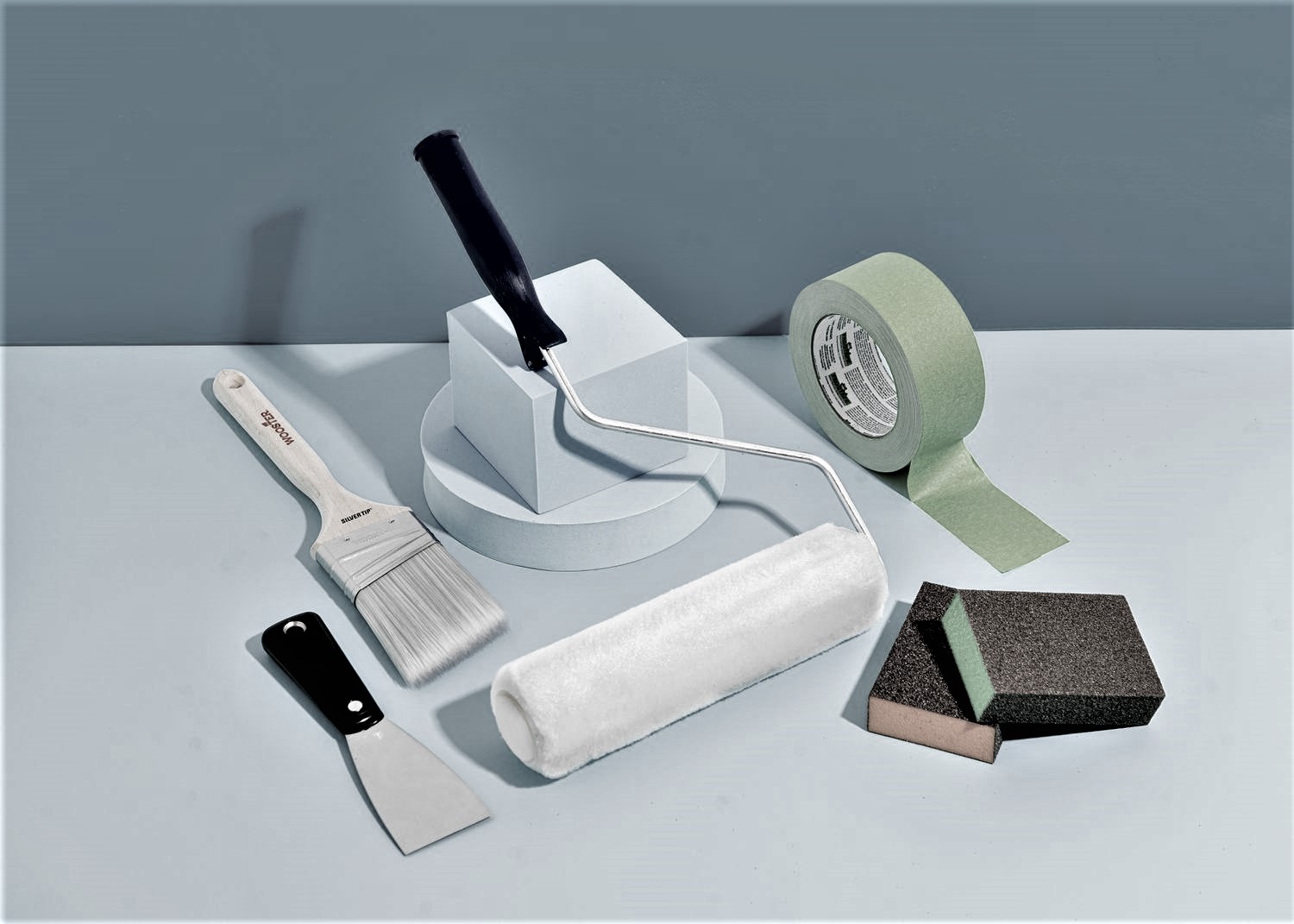
Surface
The preparation of the work space is all important…
- Clear the area ensuring yourself you can work in an orderly neat fashion.
- The surface to be painted has to be clean, dry and free of dust and grease marks.
- The colour republic testers will give you a good indication of consumption and the final look of the colour in your living area.
- Stir the paint properly before use and keep out of reach of children. Make a list of all the tools and materials required for the job before you start, and keep everything clean and tidy well within reach.
- Large surfaces are best painted with a roller.
- Cover the area you don’t want paint properly and tape down edges with masking tape, cut in adages with a brush and large surfaces with a roller.
- The best results are obtained by applying two coats under a 90degree angle, for example apply the first coat horizontally and the second vertically.
- After painting all tools can be cleaned with water.
Create the ideal conditions for painting indoors.
Before you start painting, make sure temperature conditions are ideal.
- Try to work in a space where the temperature is between 10 and 20degrees Celsius. If the temperature is to low the paint will try slowly or not at all. If the temperature is too high, the paint will try to quick and layers will not flow nicely into each other. If too cold switch on the heating if too hot postpone painting task till the temperature is right.
- Make sure you have the right relative humidity in the room. If the air is to dry, put out little dishes of water to raise the humidity levels, if to moist switch on the heating.
- Avoid a draft whilst painting. When the job is finished you can open windows to air the room,
- Avoid opening the windows if the weather is to cold.
- Vacuum clean the room before applying the final coat and avoid other tasks in the house which will create dust. You want to avoid little particles of dust settling in your final coat of paint.